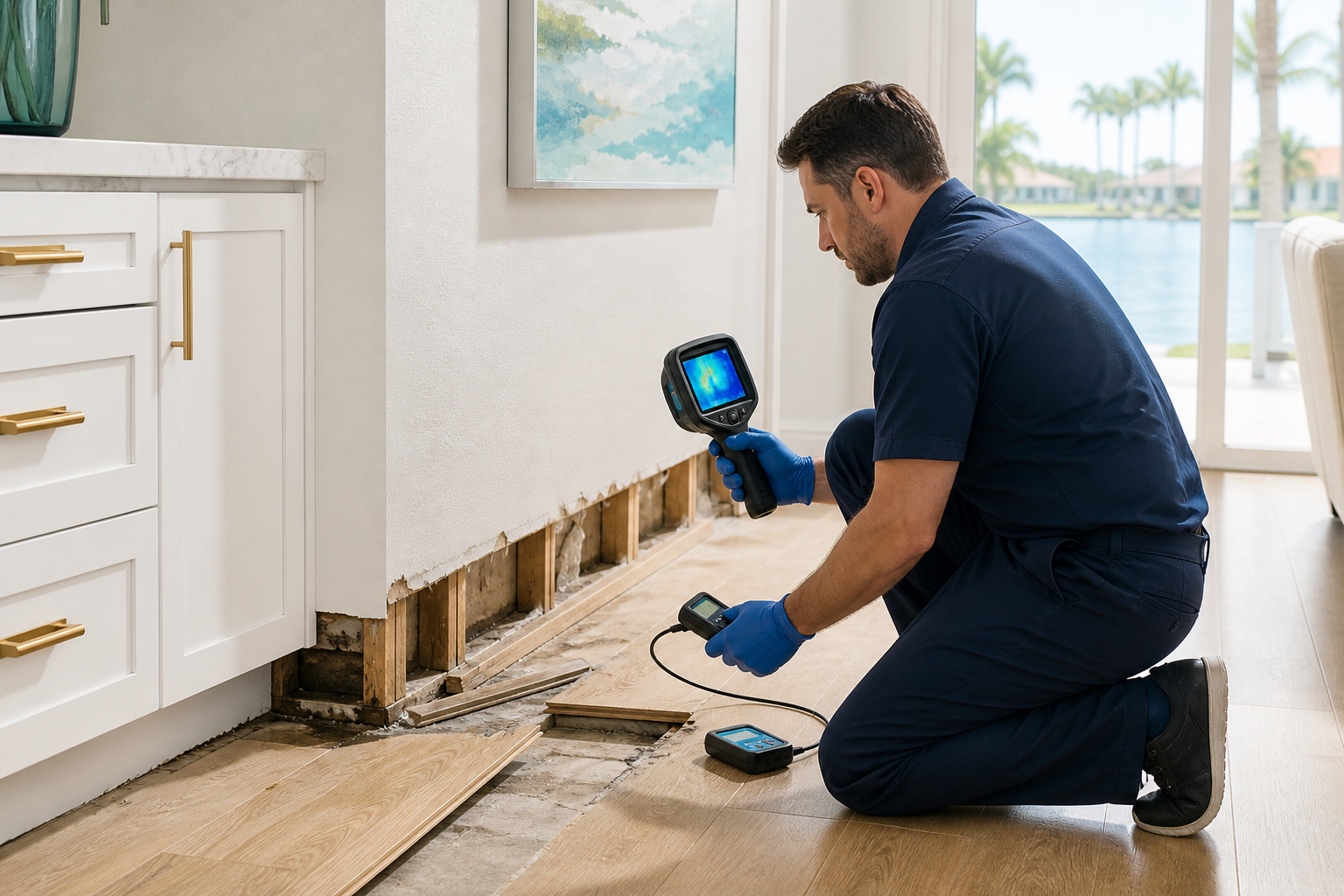
Elite Water Damage Claim Representation for Pipe Bursts, Plumbing Failures, Interior Water Loss, and Complex Flood Issues.
Water losses can begin in minutes and grow into major structural, interior, contents, and mold-related problems fast. Whether the source is a burst pipe, failed plumbing line, appliance leak, roof-related intrusion, or a larger flood event, the claim often turns on documentation, timing, scope, and how the loss is presented from the start.
Water Claim Issues We Help Navigate
The Water Damage Claim Process
Water claims are often won or lost in the first window after the loss. Dry-out work begins, wet materials are removed, cabinetry may be detached, flooring may be pulled, and contents may be moved or discarded. If the damage is not documented clearly, key parts of the claim can disappear before the full file is ever built.
FEMA advises property owners to photograph damage, keep receipts, and separate damaged from undamaged items whenever possible. Those same steps are critical in water losses because the visible condition of the property can change quickly once cleanup starts. :contentReference[oaicite:1]{index=1}
How Iron Reef Helps
Water losses are often underestimated because they spread behind finishes, under flooring, into cabinetry, insulation, wall cavities, trim systems, and contents. What begins as a “small leak” can become a major reconstruction issue once the full extent of damage is understood.
Iron Reef Claims Consultants helps policyholders build a more complete claim file. We help organize the evidence, frame the loss properly, and pursue a presentation that reflects the real scope of damage rather than a rushed first-pass estimate.
What Strong Water Damage Claims Usually Require
Immediate Photo & Video Documentation
Source areas, affected rooms, standing water, staining, swollen materials, damaged contents, and all impacted finishes before removal or discard.
Source Identification
Plumber findings, leak-source reports, appliance failure records, pipe-break evidence, and related service records.
Mitigation Documentation
Water extraction, dry-out logs, moisture mapping, demolition records, equipment invoices, and emergency service receipts.
Full Scope Development
Cabinetry, drywall, flooring, subfloor, insulation, trim, paint, electrical issues, and any resulting secondary damage.
Disciplined Claim Advocacy
Clear file organization, supportable pricing, and stronger claim presentation when the loss is narrowed, delayed, or undervalued.
Pipe Burst & Pipe Break Claims
A burst pipe can damage multiple rooms in a matter of minutes. Ceilings collapse, insulation saturates, hardwood swells, cabinetry delaminates, drywall wicks moisture, and contents are often damaged long before the property feels “destroyed.”
Pipe burst claims also tend to produce technical questions about source access, tear-out, plumbing repairs, hidden damage, and how much of the surrounding property must be repaired or replaced. These are not small-file issues. They often shape the entire value of the claim.
Flood Damage, FEMA, and the NFIP
Flood claims are different from most standard water-damage claims. In general, most homeowners insurance policies do not cover flood damage. Flood damage is usually handled under a separate flood policy, often through the National Flood Insurance Program, which is managed by FEMA. :contentReference[oaicite:2]{index=2}
That distinction matters because a burst pipe inside the home is usually analyzed differently from rising water, storm surge, flash flooding, overflow, or other qualifying flood events. FloodSmart also explains that federal disaster assistance is not the same thing as flood insurance, and many flood events do not result in a presidential disaster declaration. :contentReference[oaicite:3]{index=3}
If a property owner has flood coverage, the NFIP claims process has its own rules, definitions, and documentation issues. FEMA’s claims materials and handbook emphasize preserving evidence, reporting the loss, documenting damage, and understanding that coverage depends on the policy and the cause of loss. :contentReference[oaicite:4]{index=4}
Why Water Claims Become Difficult
Water damage often spreads farther than the first inspection shows. Moisture can travel under flooring, behind cabinets, into insulation, trim assemblies, subfloors, and adjacent rooms. Once demolition begins, the claim file can become fragmented if it was not documented properly at the beginning.
That is why early evidence matters. FEMA’s post-disaster guidance repeatedly stresses documenting the damage, keeping receipts, and preserving proof of loss-related expenses. :contentReference[oaicite:5]{index=5}
Our Advantage in Serious Water Losses
Iron Reef Claims Consultants approaches water losses with a disciplined, evidence-driven strategy. Whether the issue is a burst pipe, a concealed plumbing failure, a major appliance leak, or a flood-related file, our goal is to help the policyholder present a stronger, more coherent claim.
We understand that water claims are not just about drying equipment or replacing a few finishes. They are about the full effect of the loss on the structure, the contents, the use of the property, and the claim position itself.
What We Help Protect
Water Losses Move Fast. Your Claim Strategy Should Too.
If your property has suffered water damage from a pipe burst, plumbing failure, appliance leak, interior water intrusion, or a flood-related event, contact Iron Reef Claims Consultants to discuss the damage, the claim path, and the strongest next step.
Admin@Ironreefclaims.com